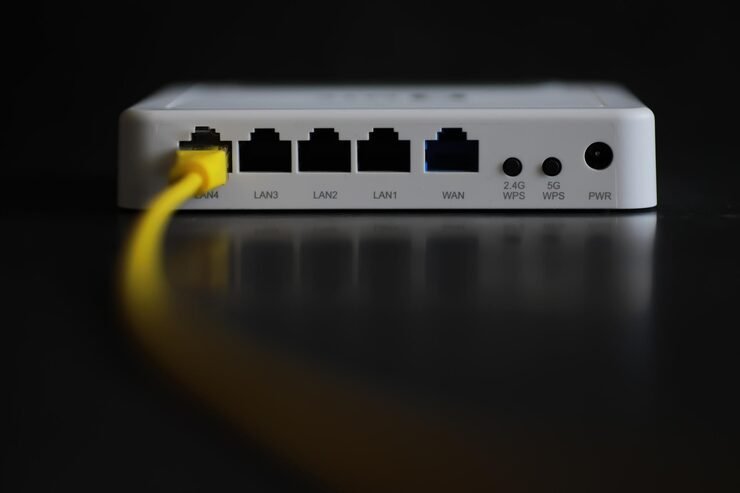
In today’s digital environment, a reliable network infrastructure is essential for maintaining productivity, communication, and business continuity. At the heart of every network lies a network switch, a device responsible for connecting computers, servers, printers, access points, and other network-enabled devices.
Choosing the right network switch can significantly impact your organization’s performance and scalability. With numerous options available in the market, understanding your business requirements is the first step toward making the right investment.
Understanding Network Switches
A network switch acts as a central communication hub within a Local Area Network (LAN). Unlike traditional hubs, switches intelligently direct data packets to their intended destination, improving speed, efficiency, and network security.
Modern switches are available in various configurations, including unmanaged switches, managed switches, and PoE (Power over Ethernet) switches.
Factors to Consider
Number of Ports
The first consideration should be the number of devices that need connectivity. Small businesses may require an 8-port or 16-port switch, while larger organizations often benefit from 24-port or 48-port switches.
Network Speed
Network speed requirements vary depending on business operations. Gigabit Ethernet switches are suitable for most organizations, while high-performance environments may require 10 Gigabit connectivity.
Managed vs Unmanaged Switches
Managed switches offer advanced features such as VLAN support, traffic monitoring, network segmentation, and security controls. Unmanaged switches are more affordable and suitable for simple networking environments.
Power over Ethernet (PoE)
PoE switches provide power and data through a single Ethernet cable, making them ideal for IP cameras, wireless access points, and VoIP phones.
Benefits of Choosing the Right Switch
- Improved network performance
- Enhanced security
- Better scalability
- Simplified management
- Reduced downtime
Conclusion
Investing in the right network switch ensures your infrastructure remains reliable, scalable, and ready for future expansion. By evaluating speed requirements, port density, and management features, businesses can build networks that support long-term growth.